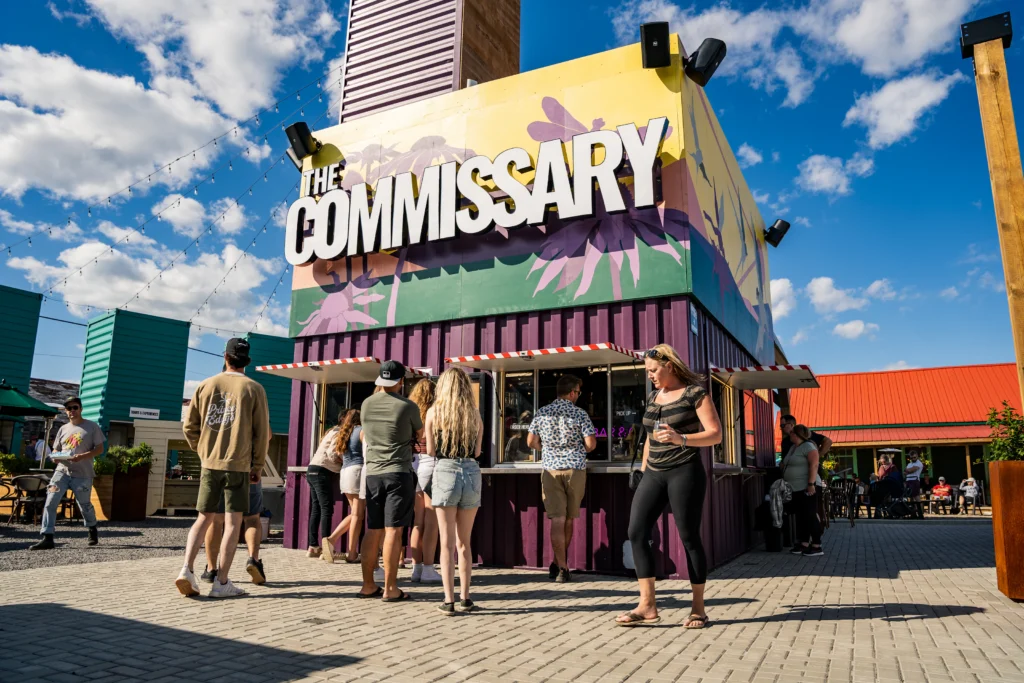
Ask someone who runs a food truck where they actually cook their food, and you’ll probably get a confused look. Most people assume it happens inside the truck itself. In reality, health codes in nearly every city require that food be prepared somewhere else first — a licensed kitchen called a commissary.
A commissary is essentially rented kitchen space. Instead of building out a full restaurant, a food business pays to use someone else’s already-inspected, code-compliant facility for cooking, storage, or packaging.
There’s a second, unrelated meaning worth knowing too: on military bases, a “commissary” is the grocery store. Different industry, same basic idea — a shared, regulated resource that serves people who don’t need or can’t justify their own dedicated setup.
Commissary Kitchens, Explained
Here’s the practical problem a commissary solves. A food truck owner can’t legally do all their prep work in a parking lot or a home kitchen. But leasing a standalone restaurant just to prep food for a truck would be absurd — the overhead alone would sink most small operators before they got started.
So they rent time in a shared kitchen instead. One facility, used by multiple businesses on staggered schedules.
What You’ll Usually Find Inside One
- Commercial ovens, stoves, and walk-in refrigeration
- Handwashing stations that meet local health codes
- Dry storage, cold storage, and freezer space
- Grease traps and wastewater disposal (a big deal for food trucks, which can’t dump gray water just anywhere)
- Loading docks, and sometimes basic office space
Who Actually Rents These Spaces
Food truck operators are the most obvious example — many cities won’t even issue a mobile vending permit without proof of a commissary agreement on file. But they’re far from the only ones.
Caterers use them to handle bulk orders without carrying restaurant-level overhead year-round. Ghost kitchen brands — the delivery-only concepts you order from an app but can’t walk into — often run out of shared commissary space. And home bakers who’ve outgrown their kitchen but aren’t ready to sign a restaurant lease frequently land here too, as a middle step.
How the Rental Side Works
Most commissaries charge either an hourly rate or a flat monthly membership. What you get for that depends heavily on the contract:
- Which hours you’re allowed access, and to what equipment
- How much storage you’re allotted — shelf space, cooler space, freezer space
- Who’s responsible for cleaning up after each shift
- What paperwork you need on file (food handler certs, liability insurance, and so on)
Health inspectors don’t just take your word for it, either. In most jurisdictions, you’ll need to show a signed commissary agreement before your permit gets approved or renewed.
The Other Kind of Commissary: Military Grocery Stores
On a military installation, a commissary looks like an ordinary grocery store — except it’s run by the Defense Commissary Agency, not a private chain, and only military ID holders can shop there. Prices tend to run lower than civilian supermarkets because the stores aren’t marking products up for profit; they’re priced closer to cost.
| Military Commissary | Regular Grocery Store | |
|---|---|---|
| Who can shop | Military ID holders only | General public |
| Pricing | Cost-based, no profit markup | Retail markup |
| Runs by | Defense Commissary Agency | Private companies |
| What’s sold | Groceries, household basics | Groceries plus general merchandise |
Before You Sign a Commissary Agreement
A few things worth confirming up front, ideally before you commit to anything:
- Is the facility currently passing health inspections?
- Is the rate hourly, monthly, or tied to how much you produce?
- Is your storage space actually private, or shared with other tenants?
- Will the equipment you need be free during the hours you need it?
- What insurance minimums does the commissary require from tenants?
That last point trips people up more than you’d expect — some facilities won’t let you start using the space until your insurance paperwork clears, which can take longer than people plan for.
At the end of the day, “commissary” just means shared infrastructure — whether that’s a kitchen a food truck rents by the hour, or a grocery store built to serve military families without a profit margin attached. Knowing which one applies to your situation tells you exactly what to ask, and what it’s going to cost you.