I’ve stopped clicking on half the “AI just changed everything” headlines that show up in my feed. Most of them are recycled press releases dressed up as news. But every so often, something real slips through — a shift that actually changes how people work or what’s possible in a lab. This is a rundown of the stuff that’s genuinely worth your attention right now, minus the noise.
Why This Actually Matters
Rewind a few years and AI mostly meant a chatbot that could write you a decent email or fumble through trivia questions. That’s not where things stand anymore. AI has crept into hospitals, warehouses, research labs, and yes, your inbox too. Whether you run a company, freelance, or just want to keep your job relevant five years from now, you kind of have to pay attention to this stuff. Not because it’s trendy — because ignoring it has real costs.
Models That Actually Think Things Through
For years, AI was great at pattern-matching and terrible at anything requiring real logic. Ask it a multi-step math problem or a tricky legal question, and it would confidently spit out garbage. That’s changed more than people realize.
Newer models now work through problems in stages — almost like they’re sketching out their reasoning before committing to an answer. A few things follow from that:
- Wrong answers get caught before they reach you, more often than before
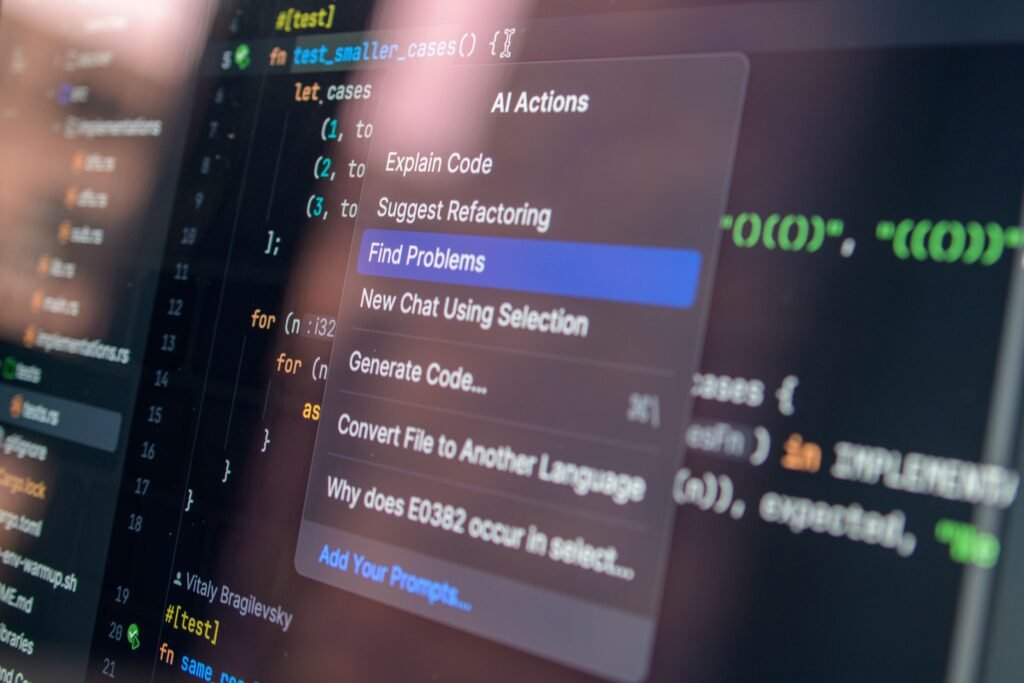
- Multi-step tasks (planning a project, debugging code, structuring an argument) go noticeably better
- The model can backtrack mid-task instead of doubling down on a mistake
If you’ve noticed an AI tool pause and “think” before responding lately, that’s not a loading screen gimmick. It’s a genuinely different way of processing a request, and it’s the reason these tools feel more trustworthy on harder tasks than they did a year or two ago.
The Shift From Chatbot to Actual Coworker
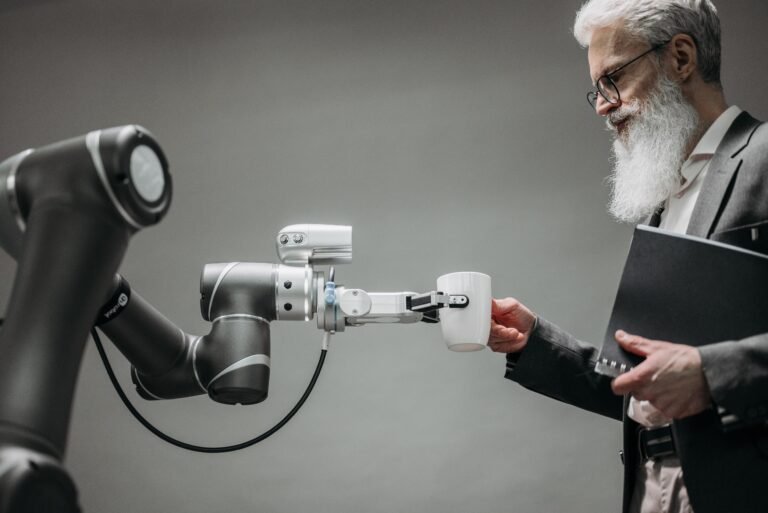
This, to me, is the bigger story. AI is moving from something you talk to into something that does things on its own. People call these “agents,” and the distinction isn’t just marketing.
A chatbot answers your question and stops. An agent might check three vendor websites, compare pricing, draft the email, and hand you a summary — all without you sitting there directing every step.
Where this shows up already:
- Customer support tickets getting triaged and answered without a human touching the routine ones
- Reports getting pulled together from five different internal tools instead of someone copy-pasting all afternoon
- Scheduling headaches getting resolved automatically
- Research grunt work — the kind that used to burn a Tuesday — getting compressed into minutes
Honestly, the most useful AI progress happening right now isn’t glamorous at all.
.It’s automating the tedious admin tasks that nobody wanted to do in the first place. .
Quiet Progress in Labs and Hospitals
Outside the corporate world, some of the more interesting work is happening where nobody’s filming a product launch video. AI trained on biological and chemical data is compressing drug discovery timelines that historically dragged on for years.
Researchers use these models to predict protein folding — which sounds like a niche science trivia fact until you connect it to disease research and faster treatment development. It’s one of those things that doesn’t trend on social media but genuinely moves medicine forward.
On the clinical side, AI-assisted tools are getting sharper at spotting things on scans that a tired radiologist might miss at the end of a long shift. Nobody’s claiming it replaces doctors. It’s more like a second pair of eyes that never gets fatigued — unglamorous, but it saves lives quietly instead of loudly.
Small Models Are Having a Moment Too
Here’s a part of the story that gets buried under all the “biggest model ever” headlines: AI is also shrinking, and that’s arguably more important for regular people.
Compact models that run directly on a phone or laptop — no massive server farm required — are getting surprisingly capable. Why should you care?
- Cost drops, so smaller businesses can actually justify using these tools
- Your data can stay on your device instead of traveling to some server you’ll never see
- Responses come back faster since there’s no round trip across the internet
This efficiency trend might end up shaping daily life more than the headline-grabbing giant models ever will.
What You Should Actually Do With This
You don’t need a computer science degree to benefit from any of this. A few practical moves:
- Pick one repetitive task in your week and try handing it to an AI agent — see what it actually saves you
- Watch what tools your specific industry is adopting; early adopters tend to set the pace everyone else follows
- Question outdated assumptions — a lot of “AI still can’t do X” advice from even a year ago no longer holds up
Where This Leaves Us
The latest AI breakthroughs aren’t really about chatbots getting chattier than before. . They’re about systems that reason through problems, take action without needing constant hand-holding, and quietly speed up work across medicine, business, and research. . Some of it is overhyped, sure. But strip away the marketing, and there’s real, useful progress underneath — mostly in the boring corners nobody bothers to write headlines about.