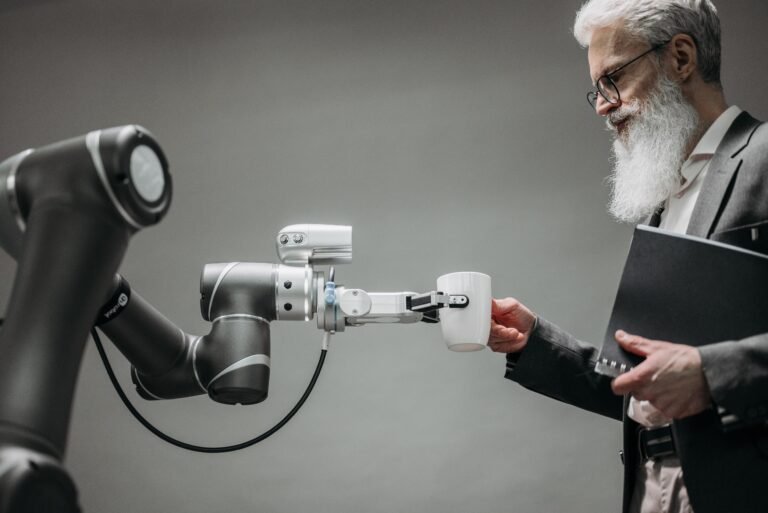
My uncle’s run his farm for thirty-odd years now, mostly off a notebook, a weather radio, and a sense of timing he’s never really been able to explain. Ask him how he knew rain was coming and he’d shrug. Air felt different, he’d say, like that settled it. Then his son started in about soil sensors and drone flyovers one Sunday at dinner, and the old man just looked at him. Why fix something that isn’t broke. Fair question, honestly. A lot of farming families are stuck on that exact question right now, because “smart farming” tends to get marketed like a total replacement, not an addition.
That framing’s off. It’s probably why so many people write off the whole idea before giving it a real shot. The question worth asking isn’t tradition versus technology. It’s how to integrate technology with traditional farming so the two actually pull in the same direction instead of fighting each other for space.
Start With What’s Actually Bothering You
Before you spend a single dollar, sit with what’s genuinely costing you time or yield. Not what a sales rep tells you that you’re missing — what you deal with, season after season, on your own ground.
Maybe it looks like this:
- One corner of a field always seems thirstier than the rest, and you can’t figure out why until the crop’s already stressed.
- Pests show up and you don’t notice for two weeks, by which point half the leaves are gone.
- You’re still scribbling planting dates and costs on paper, and come August you can’t find last April’s numbers anywhere.
Name the actual problem first. A drone isn’t going to fix messy record-keeping. A fancy app won’t tell you why one patch of the field underperforms every single year.
Soil Sensors Do the Least Glamorous Job — and Do It Well
If someone made me pick a single starting point, I’d say soil moisture sensors. They’re cheap, unremarkable to look at, and they do exactly one thing. Stick a probe in the ground, check a number on your phone, and suddenly watering isn’t a guess based on how the top inch of dirt feels.
Here’s the part people don’t expect: most farmers who use these for a season don’t say the sensors taught them anything shocking. They say the readings backed up what their gut already suspected, nine times out of ten — and caught the tenth time when instinct was just wrong. That’s really the whole point. Experience and data checking each other, instead of one replacing the other.
Drones Are Genuinely Useful. Just Not for Everybody.
Drones get talked about way more than they probably deserve, partly because aerial footage of a field looks great on a phone screen. To be fair, on bigger operations they earn their keep — a short flight flags stressed crops faster than walking every row by hand ever could.
But if you’re working a handful of acres? Skip it. You’ll spend more time charging batteries and fumbling with a flight app than you’ll ever save. Buy tools that fit your actual scale, not the scale of whatever farm was in the video that convinced you.
GPS Guidance Doesn’t Get Enough Credit
Nobody’s out there making exciting reels about a GPS-guided tractor. That’s probably why it gets overlooked next to drones. Shouldn’t, though — it’s arguably the better upgrade for most small operations. Straighter passes mean less overlap, less seed wasted, less fuel burned re-covering ground you already planted. It’s a quiet kind of saving — no headlines, just fewer dollars leaking out every season.
The Human Still Has to Make the Call
None of this is supposed to hand decisions over to software. A sensor can tell you moisture levels. It cannot tell you the sky looks wrong even though the forecast swears it’s clear. That kind of read — built from years of watching one stretch of land — stays with the person who’s actually farmed it. Technology’s job is feeding better information into that judgment. Not replacing it.
Start Small. Seriously.
Don’t buy five tools in one season. That’s the quickest way to end up with gear gathering dust in a shed by October.
- Figure out your one problem — is it irrigation, pests, or the record-keeping mess?
- Try one tool tied to that problem, for a full growing cycle.
- Compare it honestly against how you used to do things.
- Keep it if it earns its spot. Drop it if it doesn’t.
- Only then think about a second tool.
Slow beats scattered, almost every time.
Where This Leaves You
Figuring out how to integrate technology with traditional farming was never about chasing whatever’s newest. It’s about protecting what already works while quietly patching what doesn’t. The farms that do this well aren’t packed with gadgets — they’ve just added exactly what they needed and left the rest alone.
Start small. Stay a little skeptical. Let your own results, not somebody else’s marketing, decide what sticks around.